

How Nutrition Influences Overall Wellness is an important topic because the nutrition we eat affects both our physical and mental well-being. A balanced diet provides the nutrients, vitamins, minerals, and other compounds your body needs to function properly. Making healthy food choices can support energy levels, mental clarity, gut health, and long-term wellness.
A healthy diet should have lots of fruits, veggies, whole grains, lean proteins, and healthy fats. These foods give you the vitamins, minerals, and antioxidants you need. Eating right can boost your energy, clear your mind, and lower your risk of disease. This is crucial for staying healthy and getting the nutrients you need.
By choosing the right foods, you can improve your wellness and lower your risk of disease. Eating well can cut your risk of heart disease by 30-40% and type 2 diabetes by up to 50%. This shows how important a balanced diet is for your health.
Key Takeaways
- Nutrition plays a vital role in overall wellness, affecting physical and mental health.
- A well-balanced diet provides the body with necessary nutrients, vitamins, and minerals to function optimally.
- Understanding the importance of nutrition is the first step towards making informed dietary choices.
- A healthy diet should include a variety of food groups, emphasizing fruits, vegetables, whole grains, lean proteins, and healthy fats.
- With the right nutrition, you can improve energy levels, enhance mental clarity, and reduce the risk of chronic diseases.
- A consistently balanced and nutritious diet is associated with a reduced risk of chronic diseases, including heart disease and type 2 diabetes.
Understanding the Foundations of Nutrition and Wellness
To build a strong foundation for overall wellness, it’s key to know the basics of nutrition. A balanced diet includes macronutrients like carbs, proteins, and fats. These give our bodies energy. Also, micronutrients like vitamins and minerals are vital for our immune system, bone health, and more.
Drinking enough water is crucial for our body’s functions. This includes digestion, blood flow, and maintaining our body temperature. Eating a variety of foods from all groups helps us get the right mix of macronutrients and micronutrients for health.
- Fruits and vegetables, which are naturally low in fat and contain natural sugars
- Whole grains, such as bread, rice, pasta, and potatoes, which provide complex carbohydrates
- Lean protein sources, such as meat, fish, and dairy products, which provide essential vitamins and minerals
Knowing the role of macronutrients, micronutrients, and water in a balanced diet helps us make better choices. This supports our wellness and lowers the risk of chronic diseases.
How Nutrition Influences Overall Wellness: A Scientific Perspective
Nutrition and wellness are closely linked. A scientific view shows how diet affects our health. Foods like fruits, vegetables, and lean proteins are key for health. On the other hand, processed foods and unhealthy fats can harm us.
Some key aspects of nutrition and wellness include:
- Nutrient-dense foods, such as fruits, vegetables, and whole grains, which contribute to a robust immune system and support the body’s healing processes
- Antioxidants in colorful fruits and vegetables, which play a crucial role in neutralizing free radicals linked to chronic diseases
- A diet rich in fiber, which can enhance gut microbiome health, essential for nutrient absorption and immune function
By adopting a scientific perspective on nutrition and wellness, individuals can make informed dietary choices that support their overall health and wellness. This includes being mindful of the food we eat, staying hydrated, and avoiding unhealthy habits. As the World Health Organization (WHO) emphasizes, health is a state of complete physical, mental, and social well-being, and nutrition plays a pivotal role in achieving this state.
By understanding the scientific basis of nutrition and wellness, we can take control of our dietary choices and make informed decisions that support our overall health and wellness. This includes being aware of the importance of nutrition in different stages of life, from conception to old age, and making conscious choices to maintain a balanced diet.
| Nutrient | Importance |
| Fiber | Enhances gut microbiome health and supports immune function |
| Antioxidants | Neutralize free radicals linked to chronic diseases |
| Whole foods | Provide essential nutrients and support overall health |
The Impact of Dietary Choices on Physical Health
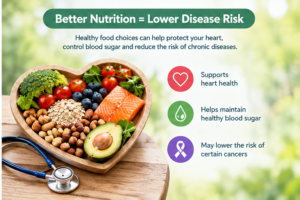
Diet plays a big role in physical health. Eating well can prevent diseases like heart disease and diabetes. It can also lower the risk of some cancers. Good food choices help keep energy levels up and improve athletic performance.
Eating less saturated fat and more fiber from whole grains can lower diabetes risk. Foods like fruits, vegetables, and whole grains help prevent heart disease. Regularly eating oily fish, like salmon, is good for the heart because of omega-3 fatty acids.
- Fruits and vegetables, which are rich in vitamins and minerals
- Whole grains, which are high in fiber and nutrients
- Low-fat dairy, which is a good source of calcium and protein
- Oily fish, which are rich in omega-3 fatty acids
| Food Group | Benefits |
| Fruits and Vegetables | Rich in vitamins and minerals, supports immune function |
| Whole Grains | High in fiber and nutrients, supports healthy digestion |
| Low-fat Dairy | Good source of calcium and protein, supports bone health |
| Oily Fish | Rich in omega-3 fatty acids, supports heart health |
By choosing the right foods, you can boost your physical health. This helps prevent chronic diseases and keeps you feeling good.
Nutrition’s Role in Mental Health

Exploring the link between nutrition and mental health shows a balanced diet is key. A diet full of fruits and veggies can lower the risk of mental health issues like depression and anxiety. Nutrition and mental health are closely tied, with the right diet giving the brain what it needs to function well.
A diet packed with omega-3s, vitamins, and minerals boosts mental clarity, mood, and thinking skills. But eating too much processed food and sugar can harm your mental health. Some important points are:
- Omega-3 fatty acids can greatly reduce depression symptoms.
- Eating lots of processed foods can cause mood swings and worsen mental health.
- Poor nutrition is linked to a higher risk of mental health issues like depression, anxiety, and bipolar disorder.
Knowing how nutrition and mental health are connected helps you make better food choices. A healthy diet, along with regular exercise, can ease symptoms of mental health problems. It also improves mental clarity and mood.
Building a Balanced Diet for Optimal Health
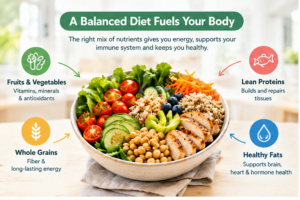
To get the best health, focus on a balanced diet. Make meal plans with lots of whole foods like fruits, veggies, whole grains, and lean proteins. A good meal plan is key for staying healthy.
For more detailed guidance on healthy dietary patterns, see the World Health Organization’s healthy diet recommendations.
It’s also important to control your food portions. This helps with weight management and health. Eating at the right times is crucial too. It helps manage energy and keeps you well.
Understanding how nutrition influences overall wellness can help you make better food choices, plan balanced meals, and develop healthier eating habits.
- Creating meal plans that include a variety of whole foods
- Practicing portion control to support weight management and overall health
- Timing meals to regulate energy intake and support overall wellness
Adding these habits to your day can make a big difference. Don’t forget to drink lots of water too.
| Food Group | Recommended Daily Intake |
| Fruits | At least 2 cups |
| Vegetables | At least 2.5 cups |
| Whole Grains | At least 3 ounces |
| Lean Proteins | At least 5 ounces |
The Connection Between Gut Health and Overall Wellness

It’s important to know how gut health affects our overall wellness. Our gut microbiome is key to a strong immune system and health. Eating foods high in fiber and fruits helps our gut bacteria grow well. But eating too much processed food and sugar can upset our gut balance.
A healthy gut is vital for our well-being. It helps make nutrients that protect our colon cells and fight cancer. Also, a diverse gut microbiome helps us stay at a healthy weight. But a bad gut can lead to anxiety and depression, showing how our gut affects our mind.
Things that can harm our gut health include:
- High-sugar and processed foods
- Chronic stress
- Sleep disturbances
- Chronic inflammation
We need to eat well, manage stress, and sleep enough to keep our gut healthy.
Knowing how gut health and wellness are connected helps us make better food choices. A healthy gut is crucial for a strong immune system, weight control, and mental health.
| Factor | Effect on Gut Health |
| High-fiber diet | Supports growth of beneficial gut bacteria |
| Processed foods | Can lead to imbalance of gut microbiome |
| Chronic stress | Can alter gut bacteria composition |
Superfoods and Their Impact on Health
Superfoods are packed with nutrients that offer many health benefits. They help reduce inflammation and boost the immune system. Eating foods rich in antioxidants, like berries and leafy greens, can protect cells and lower disease risk.
Avocados are a great example, with more potassium than bananas. Beets are known for their anti-inflammatory effects. Chia seeds are another superfood, offering fiber, protein, and antioxidants for just 100 calories.
Citrus fruits and bell peppers are also good for the immune system. They help fight off illnesses and keep you healthy.
Here are some more superfoods to add to your diet:
- Dark leafy greens, high in vitamins A, C, E, and K
- Garlic, recognized for boosting immunity and improving cardiovascular health
- Ginger, containing vitamin C, magnesium, and potassium, and beneficial for pain relief and blood sugar regulation
- Green tea, abundant in catechin, an antioxidant known for its anti-carcinogenic properties
Eating these superfoods regularly can lower the risk of health problems. Adding a variety of antioxidant-rich foods, anti-inflammatory options, and immune-boosting choices to your meals can help keep you healthy.
| Superfood | Health Benefits |
| Avocados | High in potassium, healthy fats, and fiber |
| Beets | Associated with anti-inflammatory properties, rich in vitamins and minerals |
| Chia Seeds | High in fiber, protein, and antioxidants, low in calories |
Common Nutritional Deficiencies and Their Effects
Nutritional deficiencies can lead to serious health effects. These include fatigue, weakness, and a weakened immune system. They also increase the risk of chronic diseases. It’s important to know about these risks to stay healthy.
Iron, vitamin D, and omega-3 fatty acids are common deficiencies. Iron deficiency affects over 25% of the world’s population. In preschool children, this number jumps to 47%. Vitamin D deficiency is also widespread, with 42% of Americans lacking it.
To avoid nutritional deficiencies, eat a balanced diet with whole foods. This helps prevent health effects and keeps you well. Knowing the risks and taking action can help you stay healthy and avoid chronic diseases.
The table below shows some common nutritional deficiencies and their effects:
| Deficiency | Effects |
| Iron | Anemia, tiredness, weakness |
| Vitamin D | Muscle weakness, bone loss, increased risk of fractures |
| Omega-3 fatty acids | Impaired heart health, increased risk of chronic diseases |
By understanding the risks of nutritional deficiencies and taking steps to prevent them, you can stay healthy. This reduces the risk of chronic diseases and promotes overall well-being.
Sustainable Eating Habits for Long-term Wellness
Adopting sustainable eating habits is key for long-term health. Choosing plant-based options is a great way to do this. A well-planned plant-based diet can lower the risk of chronic diseases and help with weight management.
The environmental impact of what we eat is huge. Animal agriculture leads to greenhouse gas emissions and deforestation. By picking plant-based foods and cutting down on waste, we can lessen our environmental impact and boost our health.
To create lasting healthy habits, try these tips:
- Plan meals and cook at home with plant-based ingredients
- Reduce food waste by planning meals and using leftovers
- Drink plenty of water to stay hydrated
By choosing sustainable eating and making smart food choices, we can greatly reduce our environmental impact. Every small change helps, and a few simple diet tweaks can make a big difference for our health and the planet.
| Food Choice | Environmental Impact | Health Benefits |
| Plant-based diet | Reduced greenhouse gas emissions and deforestation | Reduced risk of chronic diseases and supported weight management |
| Animal-based diet | Increased greenhouse gas emissions and deforestation | Increased risk of chronic diseases and weight management issues |
Understanding Food Labels and Making Informed Choices
Understanding food labels is key to making smart food choices. The Nutrition Facts label, introduced in 1990, gives us important info about what’s in our food. The 2016 update makes serving sizes more realistic and highlights nutrition facts like added sugars, saturated fats, and sodium.
To choose wisely, it’s important to read food labels carefully. Look for “organic” and “non-GMO” certifications. The ingredient list and nutrition facts panel help spot allergens and support your health. For instance, “low-fat” means less than 3 grams of fat per serving, and “low-sugar” means less than 5 grams of sugar.
Here are some key things to look for when reading food labels:
- Serving size and calorie count
- Added sugars and saturated fats
- Sodium content
- Ingredient list and potential allergens
- Certifications such as “organic” and “non-GMO”
By taking the time to read and understand food labels, you can make informed choices that support your health and wellness goals. Always check the nutrition facts panel and ingredient list. This ensures you get the nutrients you need and avoid potential allergens.
| Nutrient | % Daily Value (%DV) |
| Vitamin D | 20% or more |
| Potassium | 20% or more |
| Sodium | 5% or less |
You can also learn more about healthy dietary choices from the WHO healthy diet guidance.
The Social and Cultural Aspects of Healthy Eating
Healthy eating is more than just personal choices. It’s also about the social and cultural settings where we eat. Thinking about the social aspects of healthy eating, our surroundings play a big role in what we eat. For instance, family meal planning can support healthy habits. Yet, eating out or at parties can be tough.
Cultural food traditions greatly shape our eating habits. Each culture has its own cultural aspects that guide its diets. In some cultures, meals are for bonding, while in others, food is just for energy. Knowing these cultural aspects helps us make better food choices.
Here are some examples of how different cultures view food:
- Mexican cuisine: focuses on community and family, with dishes like enchiladas and pozole
- Chinese cuisine: values balance and harmony, with a diet rich in rice, veggies, and lean proteins
- Japanese cuisine: is all about simplicity and using fresh ingredients, with minimal processing
By looking at the social aspects and cultural aspects of healthy eating, we can create a supportive environment. This can mean family meal planning, handling social situations with ease, and embracing cultural food traditions that focus on health.
| Culture | Traditional Dish | Calories | Protein |
| Mexican | Enchiladas | 198g, 390 calories | 20g |
| Chinese | Rice and Salmon | 90g, 320 calories | 22g |
| Japanese | Sashimi | 100g, 120 calories | 20g |
Conclusion: Empowering Your Wellness Journey Through Nutrition
Your wellness journey is a personal and empowering experience. How nutrition influences overall wellness is an important part of that journey, because balanced nutrition supports physical health, mental well-being, and long-term wellness.
Focus on eating nutrient-dense foods, drink plenty of water, and fix any nutritional gaps. This supports your overall health. A balanced nutrition approach can boost your energy, clear your mind, and lower the risk of chronic diseases.
Remember, your wellness journey is ongoing. By focusing on nutrition, you empower yourself to live a happier, healthier life.
FAQ
What is the role of nutrition in overall wellness?
Nutrition is key to overall wellness. It affects both physical and mental health. A balanced diet gives the body what it needs to work well.
What are the different types of macronutrients and how do they contribute to health?
Macronutrients include carbs, proteins, and fats. They help our bodies make energy and stay healthy in different ways.
How does the scientific perspective on nutrition influence overall wellness?
Nutrition is crucial from a scientific view. It gives our bodies what they need to grow and repair. Knowing nutrition science helps us make healthy food choices.
How does nutrition impact physical health?
Eating right keeps us healthy. It prevents diseases and boosts energy. But, bad diets can lead to weight gain and health issues.
What is the connection between nutrition and mental health?
Nutrition affects our minds. A balanced diet is essential for brain health. Foods rich in omega-3s and vitamins improve mood and focus.
What are the key components of building a balanced diet?
A balanced diet includes many whole foods. This means fruits, veggies, grains, and lean proteins. It’s also about eating the right amounts and at the right times.
How does gut health impact overall wellness?
Our gut health is vital. An imbalance can cause health issues. Eating fiber-rich foods helps keep our gut bacteria healthy.
What are superfoods and how do they benefit health?
Superfoods are packed with nutrients. They fight inflammation, stress, and boost immunity. Foods like berries and leafy greens are great for wellness.
What are common nutritional deficiencies and how can they be prevented?
Deficiencies in vitamin D, iron, and omega-3s are common. Eating a variety of whole foods can prevent these. Knowing about these deficiencies is key to staying healthy.
How can sustainable eating habits support long-term wellness?
Eating sustainably is good for health. It reduces disease risk and helps with weight management. Building lasting healthy habits is important for a balanced diet.
How can understanding food labels help make informed dietary choices?
Reading labels helps spot unhealthy ingredients. It guides us to make better choices. Look for “organic” and “non-GMO” to support the environment.
How do social and cultural aspects influence healthy eating?
Family meals promote healthy eating. But eating out or at parties can be tough. Understanding cultural foods and their health impact helps us make better choices.