Category

Health

Category

Healthy aging for women over 40: nutrition, strength, fitness, sleep and wellness tips to stay strong, active and independent.Healthy aging for women over 40 starts with practical habits that support muscle, bone, and heart health, steady energy, and long-term independence. During midlife, changes in hormones, sleep, activity, and recovery may affect how you feel—but you do not need an extreme diet or punishing workout plan to care for your health.

None of this means that healthy aging is out of your control.

The goal after 40 isn’t to follow an extreme diet or spend hours exercising every day. A more sustainable approach is to build habits that protect muscle, support bone and heart health, provide enough nutrients, and help you remain active and independent as you get older.

This evidence-informed guide to healthy aging for women over 40 explains how to eat well, build strength, stay active, support sleep, and create realistic habits that can last through your 40s, 50s, and beyond.

What Changes After 40? Understanding Midlife Health

There isn’t a biological switch that flips on your 40th birthday. Aging happens gradually, and the experience varies considerably from one woman to another.
However, several changes can become more noticeable during midlife.

Why Maintaining Muscle Matters After 40

Adults gradually lose muscle mass with age, particularly when they are inactive and don’t provide their muscles with enough resistance or protein.

This matters for more than appearance. Muscle supports strength, balance, mobility, glucose regulation, and everyday activities.

That’s one reason strength training becomes increasingly valuable as you move through midlife.

How Hormonal Changes Can Affect Body Composition

Perimenopause—the transition toward menopause—can begin several years before the final menstrual period. During this time, changing hormone levels can contribute to changes in menstrual cycles, sleep, body temperature, mood, and body composition.

Some women notice that weight becomes easier to gain around the abdomen. However, not every change in body weight or shape is caused by hormones alone. Activity levels, calorie intake, sleep, stress, medications, genetics, and aging itself can all play a role.

Protecting Bone Health After 40

Bone loss accelerates around menopause because declining estrogen levels can affect bone remodeling.

That makes adequate calcium and vitamin D, regular weight-bearing activity, and resistance training important parts of a long-term bone-health strategy.

Women with risk factors for osteoporosis may need individualized screening or treatment from a healthcare professional.

Recovery, Sleep, and Exercise After 40

You don’t necessarily need to exercise less after 40, but you may benefit from being more deliberate about recovery.
Adequate sleep, nutrition, rest days, hydration, and gradually increasing training loads can help you remain active without constantly feeling exhausted.

Nutrition for Women Over 40: What Your Body Needs

Healthy nutrition for women over 40 with vegetables, fruits, nuts, and a balanced meal

There is no single “best diet” for every woman over 40.

For additional guidance on balanced meals and nutrient-rich foods, explore this guide to healthy eating as you age.

Mediterranean-style eating, plant-forward diets, higher-protein approaches, and other balanced dietary patterns can all work when they provide adequate nutrition and can be maintained over time.

Rather than obsessing over individual foods, build your meals around a few nutritional priorities.

1. Prioritize Protein to Maintain Muscle

Protein becomes particularly important during midlife because maintaining muscle requires regular resistance exercise as well as adequate protein intake.

Good sources include:

  • Eggs
  • Fish and seafood
  • Chicken and lean meats
  • Greek yogurt and cottage cheese
  • Milk and fortified dairy alternatives
  • Beans and lentils
  • Tofu and tempeh
  • Nuts and seeds

Other minimally processed protein-rich foods

Instead of eating most of your protein at dinner, try distributing protein across your meals.
For example, breakfast could include eggs and Greek yogurt, lunch could contain beans or chicken, and dinner could include fish, tofu, or another protein source.

Your individual protein needs depend on factors such as body size, activity level, health status, and goals. Women with kidney disease or certain medical conditions should discuss protein intake with their healthcare professional.

Eat More Fiber-Rich Foods for Digestive Health

Fiber supports digestive health and can also help with fullness, blood glucose management, and cardiovascular health.

Aim to regularly include:

  • Vegetables
  • Fruits
  • Beans
  • Lentils
  • Whole grains
  • Nuts
  • Seeds

If your current diet is low in fiber, increase it gradually and drink enough fluids. A sudden large increase can cause bloating or digestive discomfort.

3. Choose Healthy Fats for Heart Health

Fat is an essential nutrient and an important part of a balanced diet.

Choose sources such as:

  • Extra-virgin olive oil
  • Avocados
  • Nuts
  • Seeds
  • Fatty fish

Replacing some foods high in saturated fat with unsaturated-fat sources can be beneficial for cardiovascular health.

This doesn’t mean you need to eliminate every food containing saturated fat. The overall pattern of your diet matters more than one ingredient eaten occasionally.

4. Make Plant Foods a Foundation of Your Diet

Try to make vegetables, fruit, legumes, and whole grains regular parts of your meals.

Different plant foods provide different combinations of fiber, vitamins, minerals, and beneficial plant compounds.

A simple goal is to make your plate colorful.

Instead of thinking:

“I need to eat perfectly.”

Think:

“How can I add one more nutritious food to this meal?”

That small change is easier to maintain.

Are Carbohydrates Healthy After 40?

Carbohydrates are not automatically unhealthy, and most women don’t need to eliminate them.
The more useful question is which carbohydrates you eat and how much you need.

Whole grains, beans, lentils, fruits, and vegetables provide carbohydrates along with fiber and other nutrients.

Highly refined carbohydrates and sugary foods can still fit into an overall healthy diet, but they generally shouldn’t displace more nutrient-dense foods.

If you have diabetes, prediabetes, insulin resistance, or another condition affecting blood glucose, your carbohydrate needs may require a more individualized approach.

Should Women Over 40 Take Supplements?

Supplements can be useful when they correct a deficiency or address a specific nutritional need, but they aren’t a substitute for a balanced diet.

Common nutrients that deserve attention during midlife include:

Calcium for Bone Health

Calcium is important for maintaining healthy bones and normal muscle and nerve function.

Food sources include dairy products, calcium-fortified plant milks, tofu made with calcium, some fish, and certain leafy greens.

Learn more about calcium sources, recommended intake, and supplementation in this guide to calcium requirements and bone health.

Vitamin D and Calcium Absorption

Vitamin D helps the body absorb calcium and supports bone and muscle health.

Your needs depend partly on sun exposure, diet, age, geography, skin characteristics, and other factors. If you’re concerned about deficiency, ask your healthcare professional whether testing or supplementation is appropriate.

Iron Needs Before and After Menopause

Iron needs change after menopause because menstrual blood loss stops.
Women who still menstruate may have significant iron requirements, particularly if they experience heavy periods.

Iron supplements shouldn’t be taken routinely without a reason because excessive iron can also be harmful.

Vitamin B12 for Energy and Nerve Health

B12 is essential for red blood cell formation and neurological function. Absorption can become more difficult with age, and certain medications and dietary patterns can increase the risk of deficiency.

People following a vegan diet generally need a reliable source of vitamin B12 through fortified foods or supplements.

The important principle is simple:

Supplement when there is a reason—not simply because a bottle promises “better aging.”

Strength Training for Women Over 40

Woman performing dumbbell strength training to support muscle health after 40

If you could choose only one type of exercise to emphasize for healthy aging, resistance training deserves serious consideration.

Strength training helps preserve and build muscle, supports bone health, improves functional strength, and can make everyday activities easier.

You don’t need a gym to begin.

Exercises can include:

  • Squats
  • Lunges
  • Step-ups
  • Push-ups
  • Rows
  • Hip hinges
  • Glute bridges
  • Overhead presses
  • Resistance-band exercises
  • Free-weight exercises
  • The key is progressive challenge.

If you can comfortably perform an exercise for many repetitions without feeling challenged, you may eventually need to increase the resistance, repetitions, range of motion, or difficulty.
Start at an appropriate level and progress gradually.

If you have an injury, osteoporosis, significant joint problems, or another medical condition, get individualized guidance before starting a new resistance-training program.

Cardio Exercise for Heart Health

Strength training isn’t the only exercise you need.

Aerobic activity supports cardiovascular fitness and can improve health in many ways.

Good options include:

  • Brisk walking
  • Cycling
  • Swimming
  • Jogging
  • Dancing
  • Hiking
  • Rowing
  • Group fitness classes

You don’t have to do one particular exercise.

The best activity is one you can perform safely and consistently.

Current physical-activity guidelines generally encourage adults to accumulate regular moderate-intensity aerobic activity each week and perform muscle-strengthening activities on at least two days per week.

You can break activity into smaller sessions if finding a continuous block of time is difficult.
Ten or fifteen minutes of movement is still more useful than sitting all day because you couldn’t fit in a one-hour workout.

Benefits of Walking After 40

Walking doesn’t look impressive on social media, but it is one of the most practical forms of physical activity.

Regular walking can help increase daily energy expenditure, support cardiovascular health, improve mobility, and reduce sedentary time.

You can make it more challenging by:

  • Walking faster
  • Walking uphill
  • Increasing duration
  • Adding short intervals
  • Carrying appropriate weights when safe

Walking is particularly useful because it can complement strength training without placing the same demands on the body as high-intensity exercise.

Improve Balance and Mobility as You Age

Healthy aging isn’t just about how much weight you can lift.

You also want to remain capable of:

  • Getting up from the floor
  • Climbing stairs
  • Carrying groceries
  • Reaching overhead
  • Getting in and out of a car
  • Walking on uneven surfaces
  • Maintaining balance

Include mobility and balance exercises alongside strength and cardiovascular training.
Yoga, Pilates, tai chi, controlled bodyweight exercises, and simple balance drills can all have a place in a well-rounded routine.

Menopause, Weight Gain, and Body Composition

Weight gain during midlife is a common concern, but it’s important not to blame every change on menopause.

As women age, several factors can overlap:

  • Hormonal changes
  • Reduced physical activity
  • Loss of muscle
  • Changes in appetite
  • Sleep disruption
  • Stress
  • Changes in eating habits
  • Aging-related changes in energy expenditure
  • The result can be gradual changes in body composition.

Extreme calorie restriction isn’t necessarily the answer.

A better strategy is to focus on:

Protein + resistance training + high-fiber foods + regular movement + adequate sleep + sustainable portions.

If you are gaining weight rapidly or unexpectedly, particularly alongside other symptoms, speak with a healthcare professional rather than assuming it is simply menopause.

How to Manage Belly Fat After 40

Abdominal fat can become more noticeable during midlife, but there is no food or exercise that selectively burns belly fat.

You cannot choose where your body loses fat.

Instead, focus on overall health and body composition.

A combination of:

  • Resistance training
  • Regular aerobic activity
  • Adequate protein
  • High-fiber foods
  • Appropriate calorie intake
  • Good sleep
  • Stress management
  • can support healthy body composition over time.

Avoid products that promise to “melt belly fat” or dramatically accelerate metabolism. These claims often go far beyond the available evidence.

Sleep Tips for Women Over 40

Woman sleeping peacefully in a comfortable bedroom to support healthy aging

Adults generally need around seven or more hours of sleep per night, although individual needs vary.

Unfortunately, sleep can become more difficult during perimenopause and menopause.

Night sweats, hot flashes, stress, routine changes, and other factors can disrupt sleep.

Helpful habits include:

  • Keeping a consistent sleep schedule
  • Limiting caffeine later in the day
  • Keeping the bedroom cool and comfortable
  • Getting regular daytime physical activity
  • Limiting alcohol
  • Creating a relaxing pre-bed routine
  • Reducing bright light and stimulating activities before bed
  • Persistent insomnia, loud snoring, gasping during sleep, or severe daytime sleepiness deserves medical attention.

Stress Management for Healthy Aging

Midlife can be demanding.

Women may be balancing work, family responsibilities, caregiving, relationships, financial pressures, and changing health needs.

Chronic stress can make healthy habits harder to maintain.

You don’t need an elaborate wellness routine.

Simple strategies can help:

  • Walking outdoors
  • Spending time with friends
  • Breathing exercises
  • Meditation
  • Journaling
  • Reading
  • Yoga
  • Time away from screens
  • Hobbies you genuinely enjoy

The goal isn’t to eliminate stress. That’s unrealistic. The goal is to develop healthy ways of responding to it.

A Sample Day of Healthy Eating for Women Over 40

Healthy eating doesn’t require complicated recipes or expensive ingredients.

Here’s an example of what a balanced day might look like.

Breakfast

Greek yogurt with berries, oats, chia seeds, and nuts.

Lunch

A large salad or grain bowl containing vegetables, chickpeas or chicken, whole grains, and olive oil-based dressing.

Snack

Fruit with a handful of nuts or yogurt.

Dinner

Grilled fish, tofu, beans, or lean meat with vegetables and potatoes, brown rice, or another whole-grain carbohydrate.

Drinks

Water throughout the day, with tea or coffee if desired.

This is only an example—not a prescription or mandatory meal plan.

Healthy eating can look very different across cultures.

A Mediterranean diet, South Asian diet, East Asian diet, Latin American diet, or another traditional dietary pattern can all be adapted to support good health.

The principles matter more than eating foods from one particular culture.

A Weekly Fitness Plan for Women Over 40

You don’t need to train every day. A simple week could look like this:

Monday: Full-body strength training

Tuesday: 30–45-minute brisk walk

Wednesday: Strength training + mobility

Thursday: Walking, cycling, swimming, or another aerobic activity

Friday: Full-body strength training

Saturday: Longer walk, hike, recreational activity, or fitness class

Sunday: Rest or gentle movement

This is only a template.

If you’re new to exercise, start with less and gradually build up.
Consistency matters more than creating the perfect program on paper.

Healthy Aging Habits to Start Today

If the amount of health advice online feels overwhelming, simplify it.
Focus on these fundamentals:

Eat enough protein.

Include a protein source in your main meals.

Eat plenty of plants.

Vegetables, fruit, legumes, whole grains, nuts, and seeds should appear regularly.
Strength train.

Give your muscles a reason to stay strong.

Move every day.

Walking and everyday movement count.

Do cardiovascular exercise.

Keep your heart and lungs challenged regularly.

Protect your bones.

Combine resistance and weight-bearing exercise with adequate nutrition.

Sleep enough.

Treat sleep as part of your health—not wasted time.

Maintain social connections.

Relationships and community are important parts of healthy aging.

Avoid smoking.

If you smoke, getting support to quit can have major health benefits.
Keep alcohol moderate or avoid it.

Less is generally better for health, and some people should avoid alcohol completely.
Keep up with preventive healthcare.

Screenings, vaccinations, blood pressure checks, cholesterol testing, and other preventive care should be discussed according to your age, risk factors, and location.

When to Speak With a Healthcare Professional

Lifestyle changes can support health, but they don’t replace medical care.

Speak with a healthcare professional if you experience symptoms that concern you, including:
Unexpected or rapid weight changes

  • Persistent fatigue
  • Chest pain
  • Shortness of breath
  • Unusual bleeding
    Severe or persistent headaches
  • Significant changes in mood
  • Persistent sleep problems
  • Symptoms of osteoporosis or fractures
  • New or worsening menstrual abnormalities
  • Any symptom that feels unusual or unexplained
  • Women with diabetes, cardiovascular disease, kidney disease, osteoporosis, eating disorders, or other medical conditions may need individualized nutrition and exercise advice.

Healthy Aging Is About Strength, Not Perfection

One of the biggest mistakes women can make in midlife is believing that healthy aging requires becoming stricter.

  • Another restrictive diet.
  • Another detox.
  • Another 30-day challenge.
  • Another supplement.
  • Another attempt to look like you did at 25.
  • A healthier goal is different.

Ask yourself:

Can I get stronger?

Can I eat in a way that gives me energy?

Can I maintain my muscle and bone health?

Can I sleep better?

Can I stay active enough to do the things I enjoy?

Can I build habits I can still follow five or ten years from now?

Those questions shift the focus from appearance to health and function.

Your 40s, 50s, 60s, and beyond can be active and healthy years. You don’t need to pursue perfection. You need a sustainable foundation built around nutritious food, regular movement, strength, sleep, preventive healthcare, and habits that fit your actual life.

Healthy aging isn’t about stopping the clock. It’s about giving your future self the strength, health, and independence to enjoy it.

For more evidence-based information about nutrition, physical activity, sleep, and long-term well-being, explore these healthy aging tips backed by research.

Medical Disclaimer

This article is for general educational purposes and is not a substitute for individualized medical advice, diagnosis, or treatment. Nutritional and exercise needs vary from person to person. If you have a medical condition, take medication, are pregnant, have a history of an eating disorder, or are concerned about new symptoms, consult an appropriately qualified healthcare professional.


Introduction

Good sleep feels elusive for many busy adults. Racing thoughts, late-night screen time, and daily stress often keep the mind alert long after bedtime. That is why interest in magnesium glycinate for sleep has grown so quickly among readers seeking a gentle, non-habit-forming option.

What Is Magnesium Glycinate?

What is magnesium glycinate illustration

Magnesium is an essential mineral that supports muscles, nerves, and heart rhythm. Glycinate is magnesium bound to glycine, a calming amino acid. This chelated form dissolves well and is usually gentle on the stomach, which is one reason health-conscious readers prefer it over harsher forms.

Why Many People Take It for Sleep and Anxiety

Unlike some other forms that may upset the stomach, this chelated form is known for good absorption and a calming reputation. When people research magnesium glycinate for sleep, they often mention quieter evenings, fewer nighttime muscle cramps, and a more relaxed bedtime routine.
Friends and family often describe the effect as subtle rather than sedative. The person still needs healthy sleep habits, but falling asleep may feel easier when stress is lower and muscles feel relaxed.

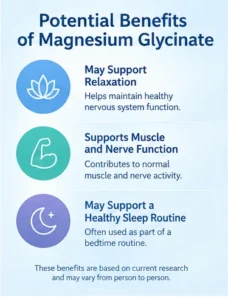
Key Benefits Reported by Users and Researchers

Potential benefits of magnesium glycinate

  • 1Calmer evenings – Glycine and magnesium both play roles in nervous system balance.
  • Muscle comfort – Many adults take it to ease tight calves, twitches, or restlessness at night.
  • Better sleep routine – When combined with dim lights, herbal tea, and no late caffeine, it may help the body wind down.
  • Daytime ease – A well-rested person often handles worry and irritability better the next day.

Scientists continue to study these effects, and results vary from person to person. It is not a cure for insomnia or anxiety disorders, but a supportive part of a healthy lifestyle.

Magnesium Glycinate Dosage for Sleep: How Much Do People Usually Take?

Elemental magnesium on a supplement label

Finding the right magnesium glycinate dosage for sleep depends on age, diet, and health status. Most over-the-counter capsules provide 100 to 200 mg of elemental magnesium per serving.
Common third-person guidance often looks like this:

  • Beginners often start low, with around 100 to 200 mg in the evening.
  • Many adults use 200 to 350 mg daily from all supplements combined, unless a doctor advises otherwise.
  • Readers are encouraged to read labels carefully, because total capsule weight is not the same as elemental magnesium.

A healthcare professional should guide long-term use, especially for older adults, pregnant women, or anyone with kidney issues.

Best Time to Take It and How to Use It

Most people take it 30 to 60 minutes before bed with a small glass of water. Taking it with a light snack may reduce stomach discomfort. Consistency matters more than timing. A regular evening ritual — same bedtime, dark room, and limited phone use — helps the supplement work as part of a calming routine.

Magnesium Glycinate vs Citrate: Which Is Better?

The debate around magnesium glycinate vs citrate comes up often in wellness groups. Both forms absorb better than oxide, but they serve slightly different needs.

When comparing magnesium glycinate vs citrate, readers may notice that glycinate is usually chosen for relaxation and nighttime use, while citrate is often chosen for digestion and regularity because it can have a mild laxative effect. Someone prone to loose stools often prefers glycinate, while someone dealing with constipation may prefer citrate.

How Long Does Magnesium Glycinate Take to Work?

Patience is important. Some people feel more relaxed within a few evenings, while steady sleep changes often take one to two weeks of consistent use. Diet, caffeine, stress levels, and screen habits all affect the timeline. If no change appears after three to four weeks, readers often check their habits or speak with a clinician.

Safety, Side Effects, and Who Should Be Careful

When taken in moderate amounts, it is well tolerated. High doses may cause nausea, loose stools, or drowsiness. People with kidney disease, low blood pressure, or those taking antibiotics, diuretics, or bone medicines should seek medical advice first.

FAQs

Is it habit-forming? No evidence suggests dependence when used as directed.

Can it be taken every night? Many adults do, but long-term nightly use should be reviewed by a professional.

Does diet matter? Yes. Leafy greens, nuts, seeds, and whole grains provide natural magnesium and support the benefits of magnesium glycinate for sleep.

Conclusion

For readers searching for a gentle nighttime aid, magnesium glycinate for sleep offers an appealing mix of tolerability, calm, and routine support. With sensible dosing, good timing, and healthy sleep habits, it may help many adults rest more peacefully.

How Nutrition Influences Overall Wellness is an important topic because the nutrition we eat affects both our physical and mental well-being. A balanced diet provides the nutrients, vitamins, minerals, and other compounds your body needs to function properly. Making healthy food choices can support energy levels, mental clarity, gut health, and long-term wellness.

A healthy diet should have lots of fruits, veggies, whole grains, lean proteins, and healthy fats. These foods give you the vitamins, minerals, and antioxidants you need. Eating right can boost your energy, clear your mind, and lower your risk of disease. This is crucial for staying healthy and getting the nutrients you need.

Introduction: Significance of Blood Pressure Management

If we want to look after ourselves, keeping blood pressure in control pressure is important.

We can reduce the chances of developing certain diseases and enjoy various health benefits If we manage to lower blood pressure.

So, in this article, we will explore some ways to help you lower blood pressure and lead a truly normal life.

High fat, low carb, and high protein make up the ketogenic diet. On keto, protein matters — calculate how much protein per day you need on keto to stay in ketosis without losing muscle. The ketogenic diet has become very popular over the last few years and for good reason: it leads to weight loss, reduces the risk of chronic diseases, improves cognitive performance, and makes you feel satiated for a longer period of time. What’s more, the ketogenic diet is easy to follow regardless of where you live.

So, if you’re ready to ditch the unhealthy diet you’ve been sticking to and finally start feeling the amazing benefits of a low-carb lifestyle, read on for a detailed guide on how the ketogenic diet works, and the benefits of a low-carb lifestyle.

What is a Ketogenic Diet?

In recent years, the ketogenic diet has grown in popularity as a low-carb diet. With its growing popularity comes a high level of misinformation; so, let’s clear up some of the most common myths surrounding the ketogenic diet and make sure you’re getting the right information to make the right decision for your health.

The ketogenic diet consists of a high consumption of healthy fats and a low consumption of carbohydrates. The ketogenic diet is based on the idea that if you eliminate carbs from your diet, your body will automatically turn to burn fat as fuel. This is known as ketosis. 

Ketogenic Diet

The diet has been proven to help promote weight loss, improve cognitive performance and reduce the risk of chronic diseases like type 2 diabetes and cancer.

These benefits come from the high intake of healthy fats, which are low in carbohydrate foods. In addition, the high intake of healthy fats like omega-3 fatty acids, vitamin A, vitamin E, minerals, and antioxidants help to improve the functions of our bodies by increasing energy levels and decreasing inflammation.

How Does the Ketogenic Diet Work?

There are many factors that must be in place for the ketogenic diet to work. The diet’s macronutrients, protein, fat, and carbohydrate intake must be in balance.

Maintaining muscle mass while reducing inflammation and oxidative damage requires a sufficient amount of protein. Carbohydrate intake must be low enough to avoid having the body enter a “ketoacidosis” state, which can cause an accumulation of acid in the blood, causing a number of serious health issues.

The ideal carb intake is 20 grams for every 1 kg of your body.  Fat intake should be moderate enough to avoid raising cholesterol and risk of chronic diseases, yet low enough to decrease inflammation.

How to Start the Ketogenic Diet

One of the first things you’ll want to do when you’re planning on following a ketogenic diet is to consult a doctor.

The doctor can perform tests to ensure that you have no underlying conditions that would prevent you from following the diet safely.

The ketogenic diet is not for everyone. It can cause a massive dip in blood sugar levels and is only recommended for people who have been diagnosed with type 2 diabetes or epilepsy.

If you’re healthy enough to stick to a low-carb diet, there’s no reason to think you can’t. However, if the thought of cutting out carbs sounds too extreme, then don’t do it.

We’re here to tell you that it’s safe to cut back on carbohydrates and reap all the benefits of a low-carb lifestyle.

Can you maintain a low-carb diet long-term?

The ketogenic diet is a very restrictive diet that limits the number of calories you consume each day. That being said, the ketogenic diet is extremely effective at weight loss.

In fact, research shows that it can be used to help people lose weight in the long term.

As long as the ketogenic diet is followed properly, it can be used for a long period of time. Despite its many benefits, the ketogenic diet has some drawbacks. First of all, it’s quite restrictive.

On the ketogenic diet, you can only eat 20 grams of carbs for every kilogram of your body weight. That’s pretty low, so you may end up cutting out a lot of foods that you like to enjoy.

The other downside is that it’s difficult to get all the nutrients you need from a diet so low in carbs.

Can the Ketogenic Diet make you gain weight?

The ketogenic diet isn’t supposed to lead to weight gain. Dieters on the ketogenic diet stick to a low-carb, high-fat, protein-rich diet.

When you take in a sufficient amount of healthy fats and protein, your body is supposed to start breaking down excess body fat. The ketogenic diet won’t make you gain weight.

According to recent findings, the ketogenic diet may aid in weight loss.

There is one possible pitfall that dieters may fall into when on a ketogenic diet; however, this isn’t something that most people experience with the diet.

Ketogenic diets, for example, typically have higher protein intakes than other types of diets. Protein is important for building muscle and maintaining muscle when losing weight,

so if you’re on a diet high in protein, it’s recommended that you supplement with a source of protein when needed.

How Often Should You Follow the Diet?

The ketogenic diet is only recommended to be followed for short periods of time. Studies have found that the diet is effective in promoting weight loss, but it’s not sustainable.

While it’s possible to follow the ketogenic diet for a long time, it’s not ideal. The ketogenic diet should only be followed for a short period of time in order to achieve the best outcomes.

The study of the ketogenic diet concluded that it was only effective at promoting weight loss for a period of time.

In fact, researchers found that the ketogenic diet was likely to slow down your metabolism and cause you to gain weight if followed for a long time.

Therefore, it’s recommended that you follow the diet for short periods of time and then slowly transition back to your regular diet once you’ve reached your goal weight.

The Best Keto Foods to Eat

Nutritional ketosis is brought on by a low-carb diet. This means that the foods you’re eating will be high in fat, low in carbs and protein, and extremely low in sugar.

Ketogenic Diet

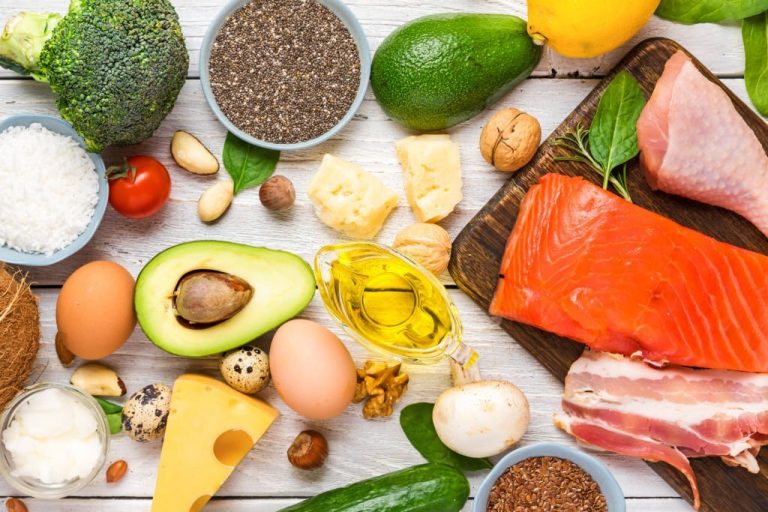
If you’re looking for the best keto foods, here are a few low-carb options that you may want to try:

– Fatty Meats – Beef, Lamb, Buffalo, and other fatty meats are a staple in the keto diet and provide high amounts of protein and medium levels of healthy fats.

– Avocado – Not only do avocados contain monosaturated fats that improve blood flow and digestion, but they’re also very low in carbohydrates. A single avocado contains only a small amount of carbs – around 10 grams. That’s less than 1% of your daily carbs – so it’s a great option for a keto diet.

– Eggs – One of the most versatile foods around, eggs are a great protein source that also offers medium levels of healthy fats. One egg contains around 6 grams of protein and only 1 gram of carbs.

– Low-carb veggies – Bell peppers, tomatoes, spinach, artichokes, okra, onions, mushrooms, celery, and many other vegetables contain low amounts of carbs and a rich source of vitamins and minerals.

– Olive oil – An extra-virgin olive oil can help you feel full for longer, which is great for weight loss.

– Healthy fats – A healthy fat like olive oil, coconut oil or avocado can make your meals taste better and give you more energy as long as you don’t overdo it.

– Fruits – Bananas, apples, and watermelon are great keto-friendly fruits that provide a lot of vitamins and minerals, as well as a low amount of carbs.

The Basic Keto Diet Meal Plan

While the ketogenic diet involves a lot of planning, it doesn’t have to be a lot of work to follow. You’ll only need to plan a few meals a day. For example, you could have breakfast, lunch, dinner, and a snack.

Breakfast – This meal can be anything that keeps you full for a longer period of time. A good keto breakfast would be eggs with an avocado and some low-carb veggies such as broccoli or spinach.

Lunch – The lunch portion of your ketogenic diet meal plan should be high in protein. Make sure you include a source of healthy fat like olive oil.

For dinners, you can either choose to eat a high-fat keto meal or have a light snack consisting of non-starchy veggies

Is the Ketogenic Diet Safe?

Yes, the ketogenic diet is not only safe, but it’s actually very beneficial for the body. It may cause a change in the primary energy source of your body, but this change is a good thing because it leads to improved cognitive function, a reduction in disease risk, and a decrease in body fat.

The diet reduces the number of carbohydrates and sugars that the body enters into a state of insulin resistance. When the pancreas produces too much insulin, it leads to insulin resistance.

Over time, this insulin overproduction leads to an inability to regulate blood sugar levels due to which the body suffers from constant hunger pangs. This hunger is often satisfied by eating food that contains a lot of carbohydrates and sugars.

On a ketogenic diet, the body starts producing ketones in the liver and muscles. This results in the breakdown of fats into fatty acids and the utilization of amino acids for energy production.

Consequently, the body goes into a state called ketosis, which is great for weight loss. In fact, research has shown that the ketogenic diet is one of the best ways to lose weight.

Some people may do well on the diet, but it is not right for everyone. Before you decide to try it, you should be aware of the major risks and dangers associated with the diet.

– Lack of Exercise – A keto diet can become detrimental if you are not physically active. Increased levels of ketones in the blood can increase your levels of calcium, which can lead to kidney stones, increased risk of stroke, and heart disease. Therefore, it is crucial to maintain a healthy exercise regime when following a keto diet.

– Extreme Weight Loss – Before you begin a diet, it is essential to maintain some weight. The keto diet plan is based on the idea of eating low-carb and eating less than the number of calories you consume by maintaining an extremely low-calorie diet. In some cases, this can result in a dramatic loss of muscle mass and weight, which can be dangerous for the body.

– Bad Nutrition – Some people choose the keto diet plan for the wrong reasons. They select it because they are under the impression that they will get keto food for free. If you go, for this reason, you will soon realize that you will have to purchase all of your groceries, and this can get expensive over time.

– No New Key Benefits – The ketogenic diet will not provide you with any new health benefits. It is merely a diet that changes the way your body uses energy by forcing it to burn fats for energy instead of carbohydrates.

– Ketones in the Blood – While following the keto diet plan, your body will produce ketones in the blood, and these are toxic by-products that are derived from the breakdown of fats in your body. If you continue to eat a high-fat diet, these ketones can disrupt your normal levels of important minerals like magnesium, sodium, and potassium in the body, which can lead to serious health complications.

Final Words: Is a Ketogenic Diet for You?

A low-carb diet like the ketogenic diet can change the way you feel. It may make you feel tired after a longer period of time because your energy source has changed. However, this does not imply you shouldn’t do it! Ultimately, it is preferable to be safe than sorry.

If you’re interested in trying a low-carb lifestyle, you should start by cutting back on your carbohydrate intake. Once you’ve done that, you can start experimenting with different types of low-carb foods and see what works best for you.

While the ketogenic diet is a great option for weight loss, it’s important to do your research before adopting this lifestyle change.

If you’re seeking other health benefits, the ketogenic diet may not be for you. Doing so may allow you to eat foods you love and still get fit!

Consider the following questions to evaluate if the ketogenic diet is good for you.

Have you ever had heart disease, diabetes type 2, obesity, or metabolic syndrome?

These risk factors make following a low-carbohydrate diet very risky.

For how long have you been trying to shed pounds? If you’ve been struggling to lose weight for a long time, the ketogenic diet may be right for you.

Do you have a busy lifestyle and don’t have a lot of time to cook? A ketogenic diet is a good option if you don’t have a lot of time to cook.

All in all, the keto diet is an incredibly effective way to lose weight, boost energy levels and improve overall health.

Every year, millions around the world wonder why their fitness program doesn’t work.

You may have been taking a balanced diet and workout, but your weight loss outcomes are not as good as expected.

Every year, the ordinary American calorie counter lets 4 to 6 people eat fewer carbohydrates.

Apparently, that implies the first, second, and third undertaking was not that effective.

It’s a never-ending loop with no inspiration, that creates varying emotions like we can’t succeed without immense patience.